

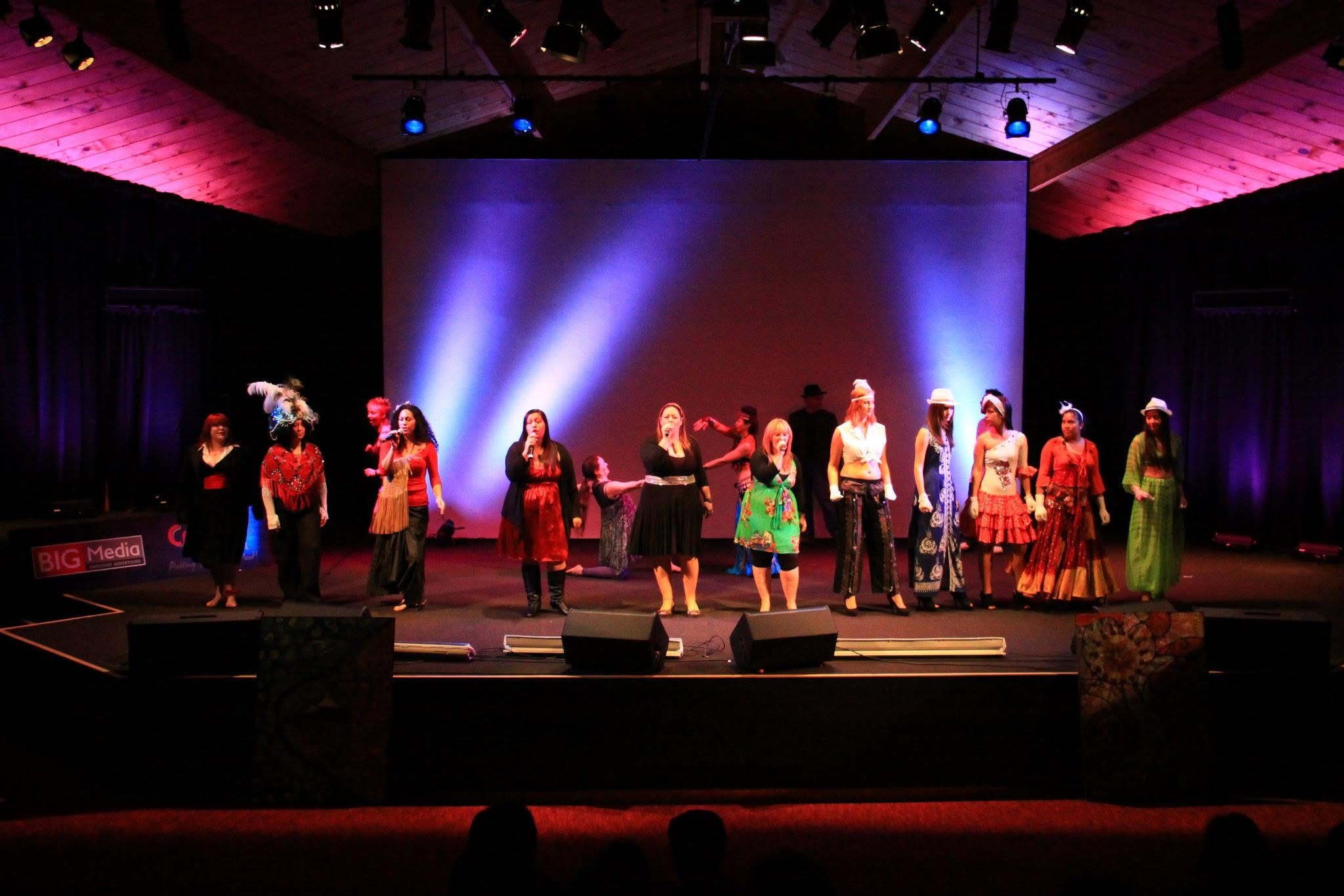
WorldBeat Performers
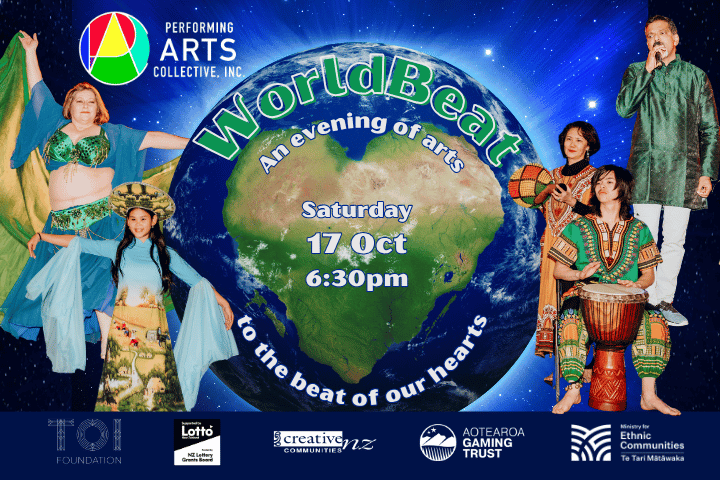
Meet this year’s cast!
WorldBeat is PAC’s annual multicultural showcase, staged in the ballroom at the Plymouth International Hotel on 17th October 2026.
You can find more information and tickets on the WorldBeat page - read more about the performers and their acts on this programme details page.
We are a multicultural, multigenre, multigenerational collective, and this is reflected in our diverse lineup of entertainment. Enjoy!
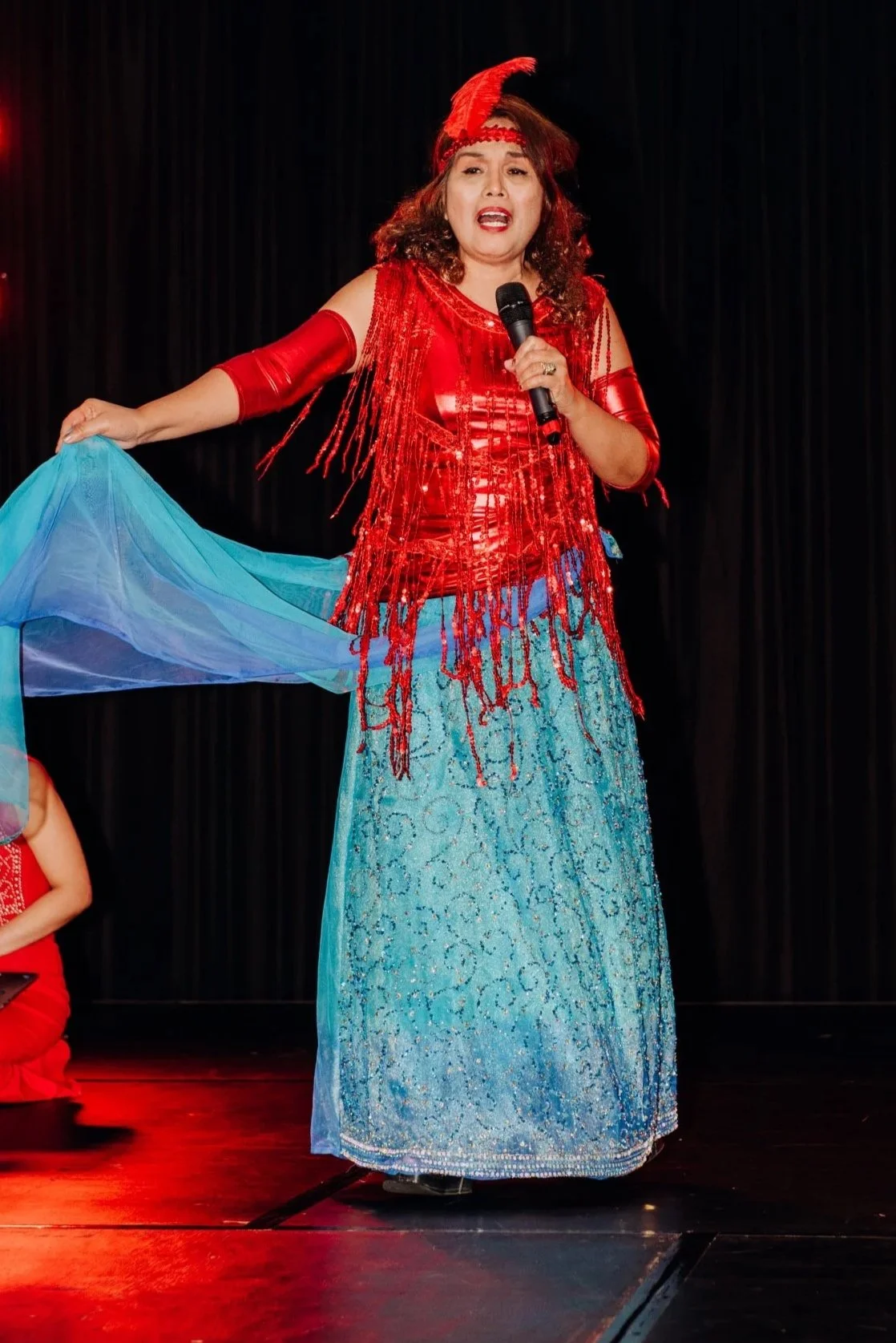
Emily Julian
Little Heartbeat is an emotional cinematic song for baby, by the channel AIlove. Created as a personal tribute, blending real womb heartbeat audio with soft, soothing lullaby melodies to celebrate new life. Emily has added live accompaniment with a steel tongue drum for WorldBeat.
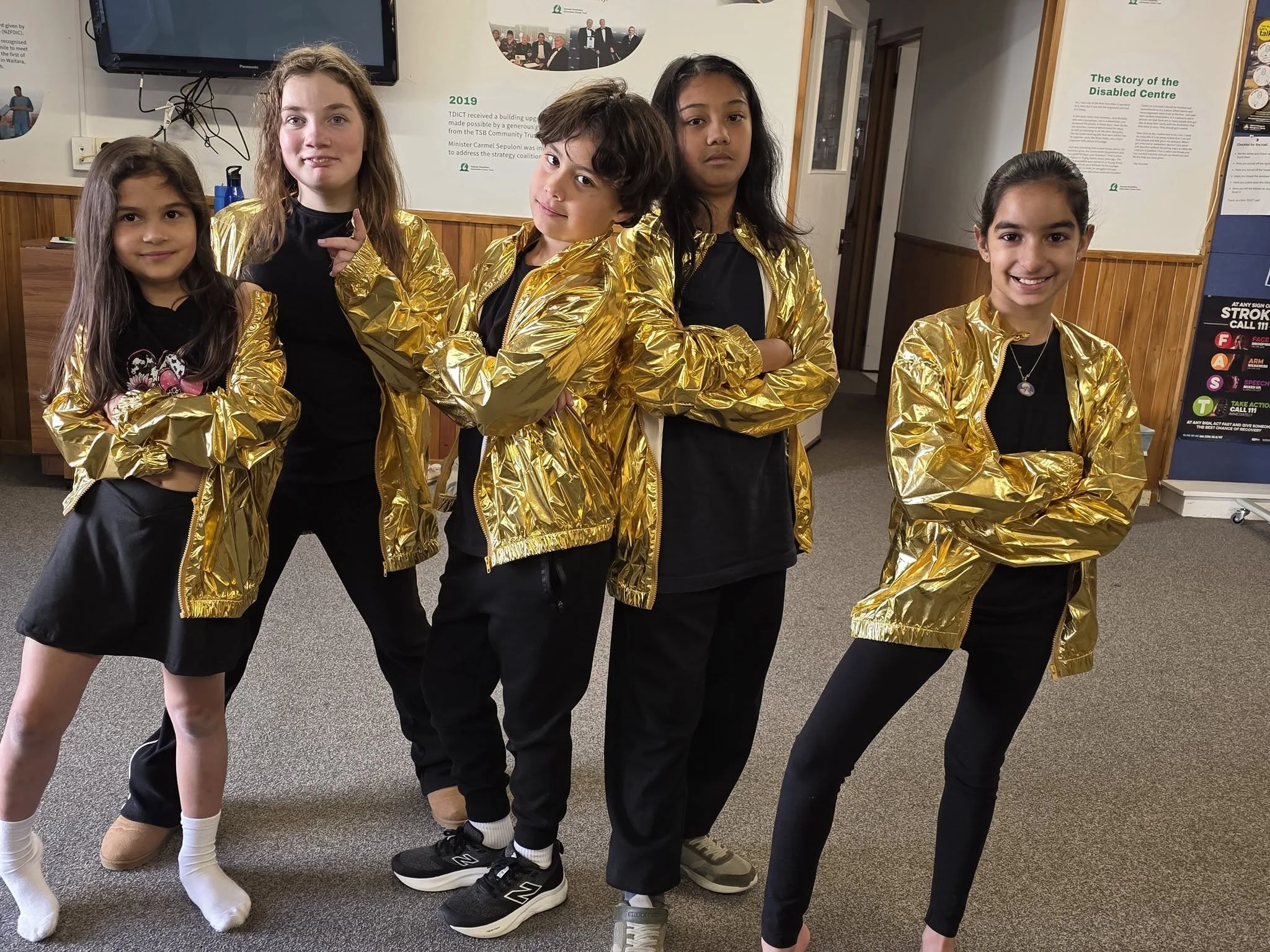
PAC Troupe
Heartbeat Drum is a K-pop song by the boy group P1Harmony, released in 2023.
You’re Gone is an original beatbox song by notHaze blending rhythmic loops with vocal harmonies. The beatboxer SHOW-GO (Shogo kai) began beatboxing at the age of 14. He won awards in Beatbox battles and championships in 2017 and 2018.
Dancers and models: Hannah Hau, Delilah Hutchinson, Zara Jassal, Jacob Nassau, Davian Vivekananda.
Choreographer: Maria Escarlan
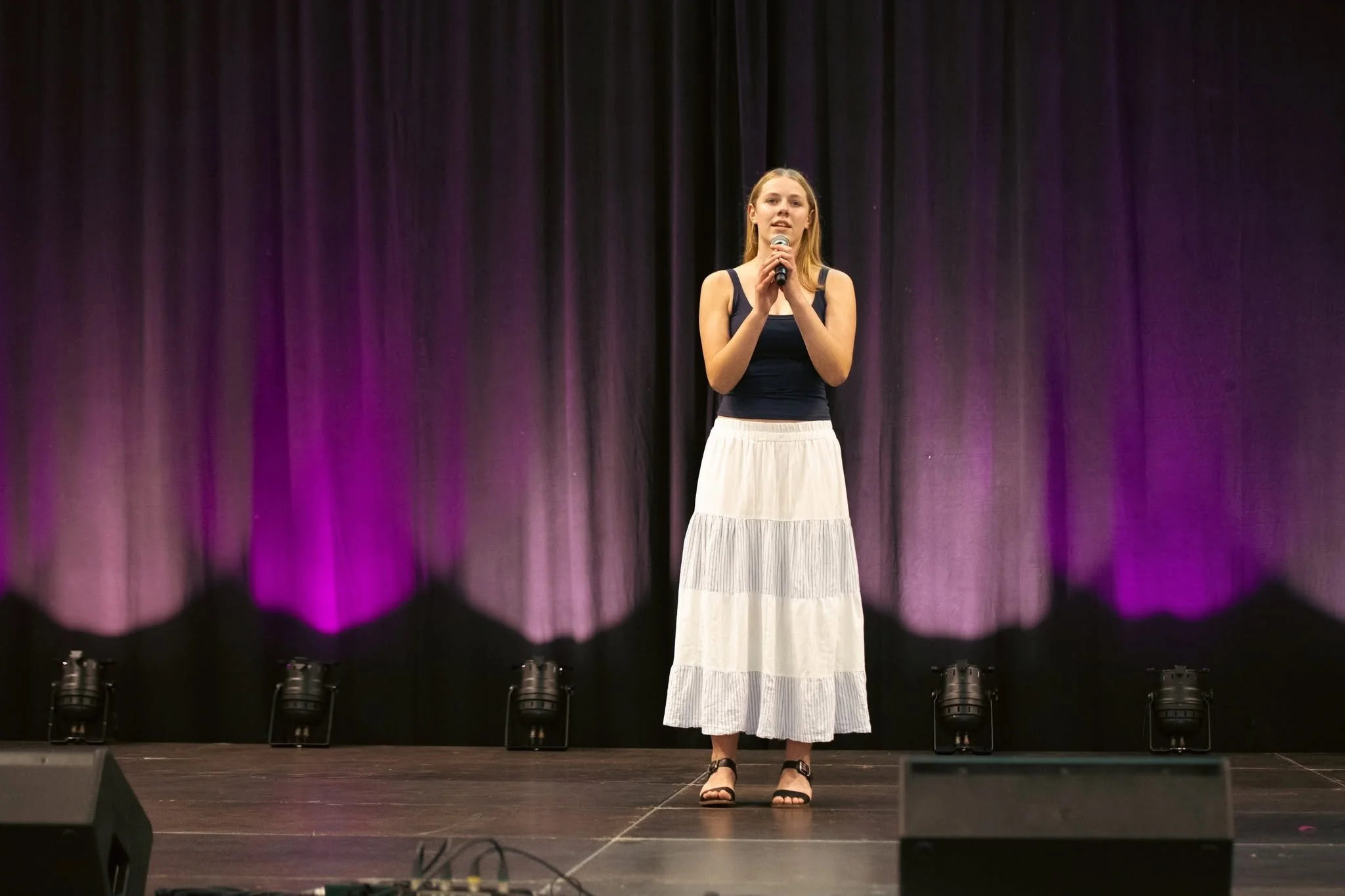
Alyssa Avery
Slipping Through My Fingers is a bittersweet song by Abba about a child growing up too fast. The song was first released in Japan where it appeared on promotional records by the Coca Cola Company.
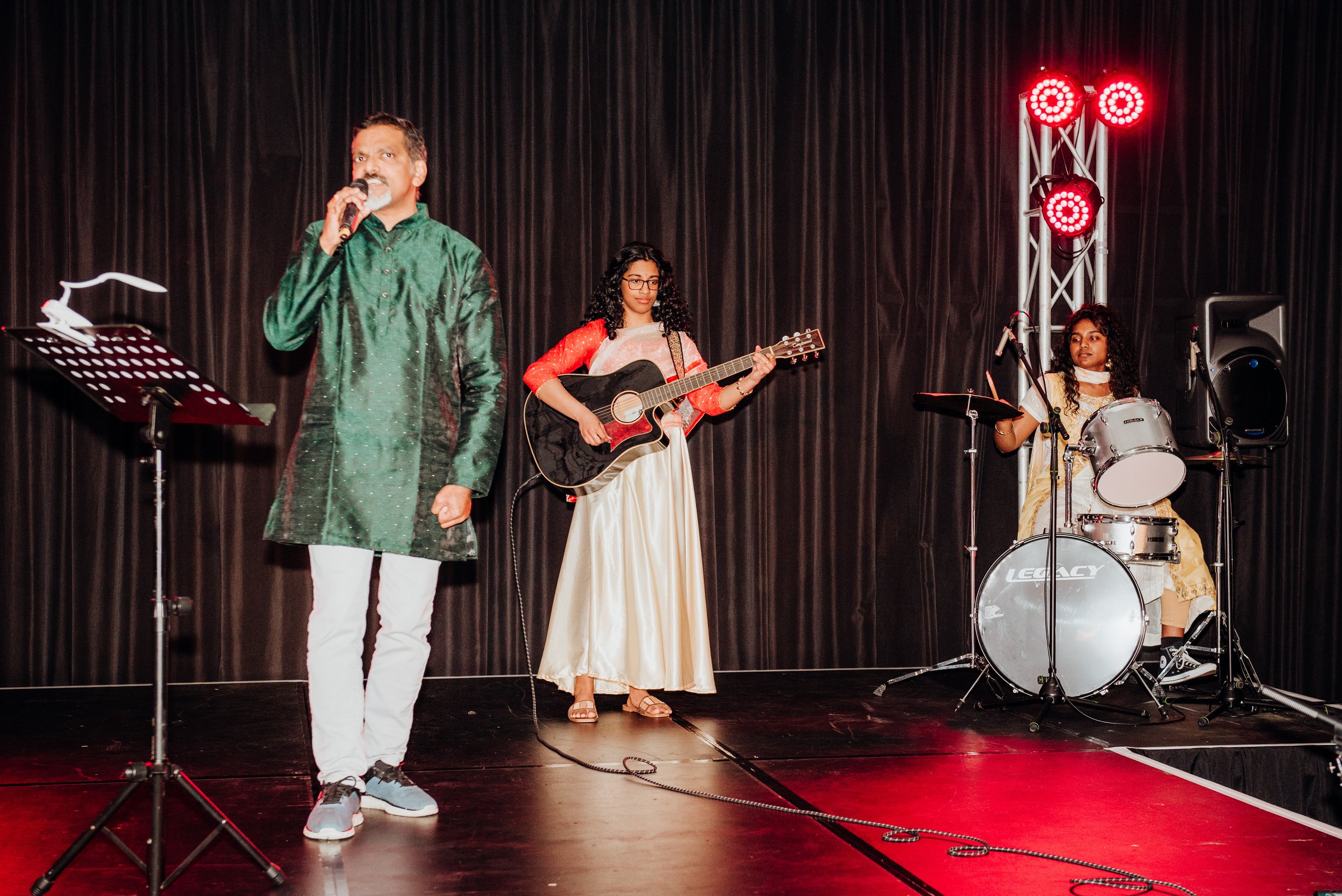
Desi Beats
Dheem Ta Dare uses rhythmic vocal syllables as vocal percussion, drawing inspiration from Indian classical rhythmic traditions. These specific syllables function as onomatopoeia representing the sounds of the dancer's footwork or the musical rhythm, used to keep time and establish a tempo. The song is a popular semi-classical Bollywood song from the 1999 film Thakshak (composed by A.R. Rahman).
Singer: Manoj Chakko
Malayali Dancers: Anoushka Anu, Eva Jimmy, Emelyn Anna John, Olivia Sara Vinu
Choreography: Swapna Johnson
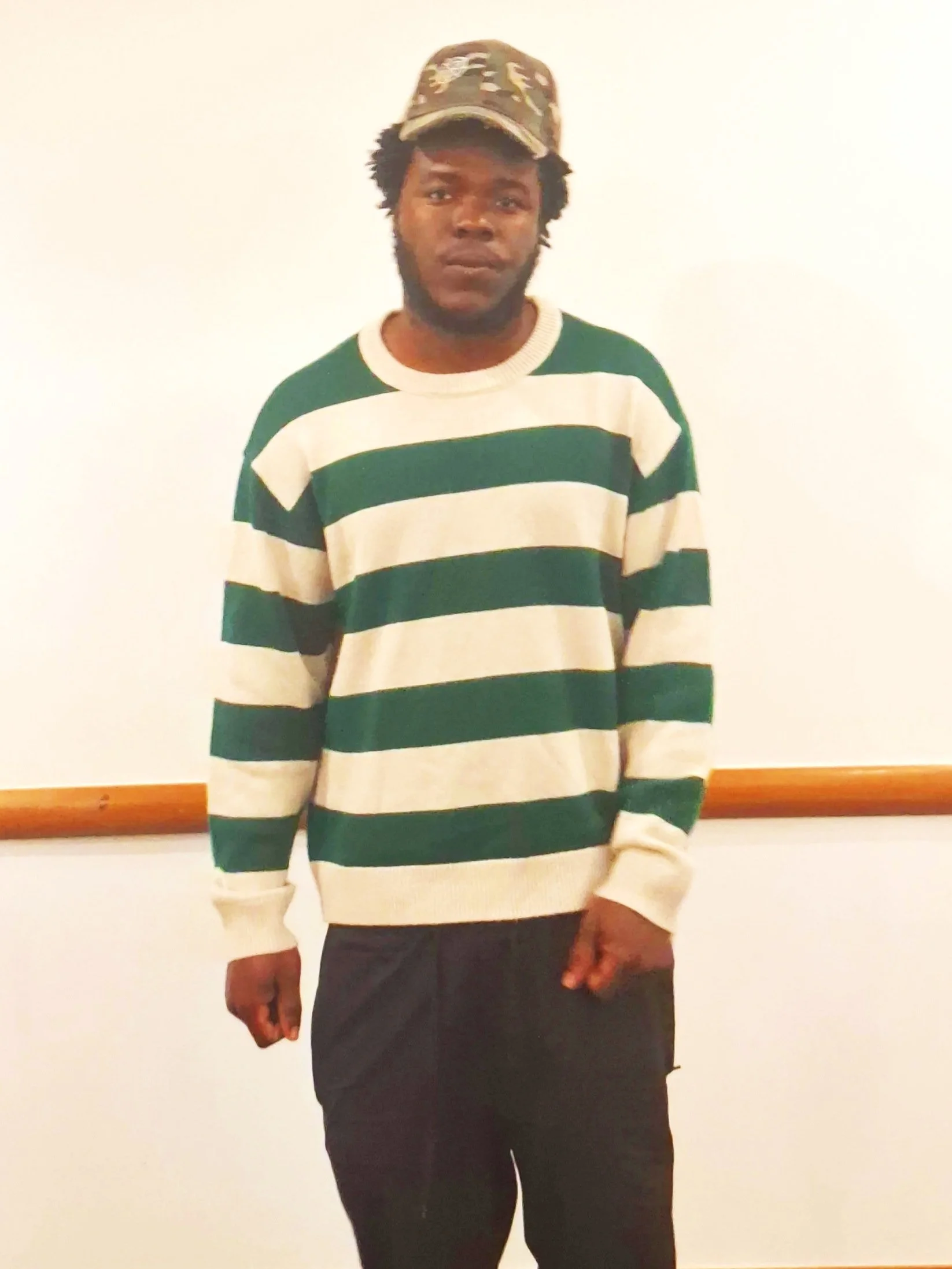
Sonylekxy
24/7 is an uplifting original song about embracing life’s journey with hope, gratitude, and perseverance. It reflects on hard work, personal growth, and finding joy in each day, encouraging listeners to keep moving forward while appreciating every step of the journey. Sonny is an independent Afro-fusion artist who writes and performs original music, which blends Afro-inspired rhythms with melodic storytelling.
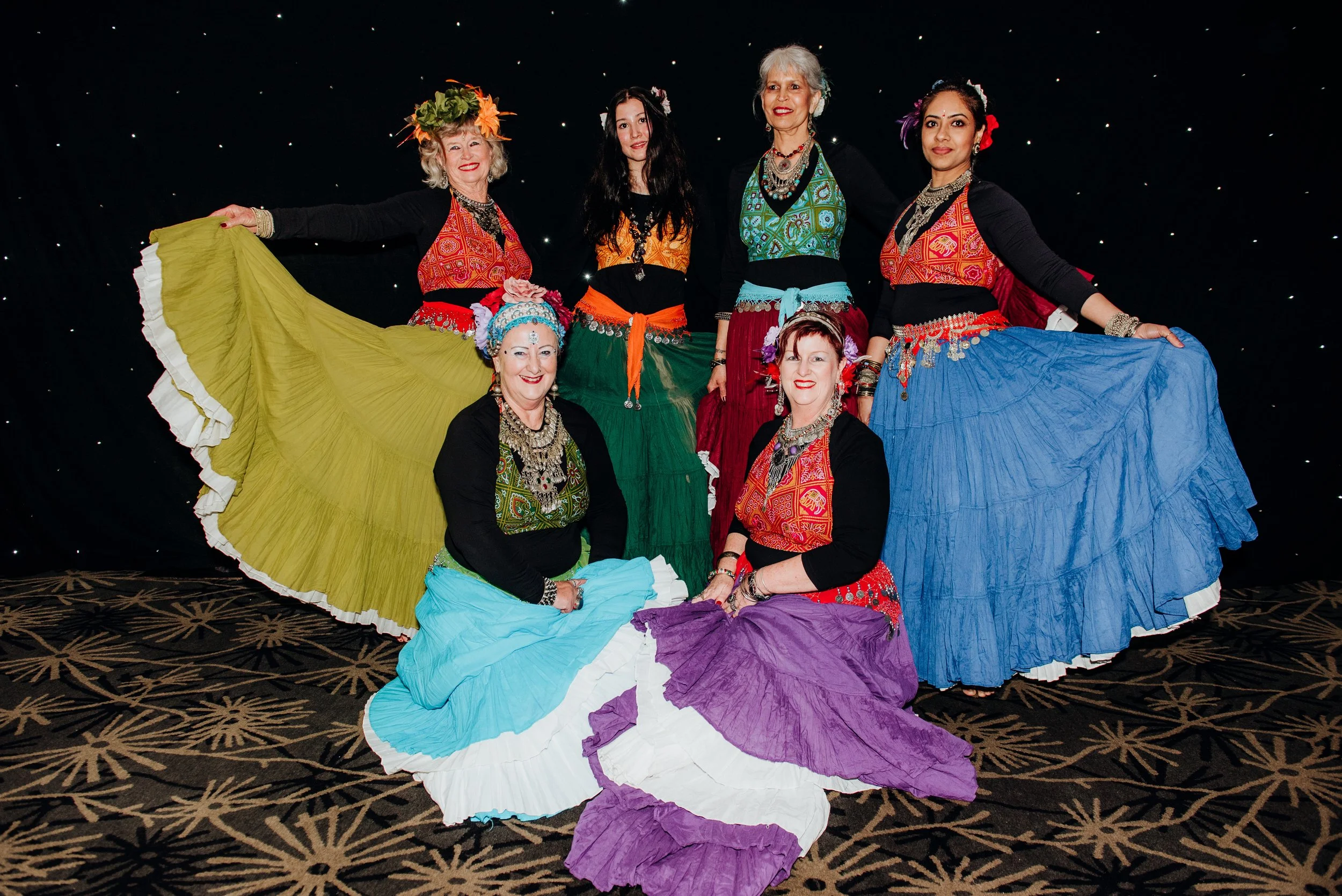
Gypsophilia
Lotus is truly multi-cultural at heart; a mix of Global Caravan Tribal and Divine Chaos Fusion bellydance moves set to a contemporary trance and tribal dance track featuring Kargyraa throat singing, by a Turkish DJ. Global Caravan and Divine Chaos movements and cues are defined and often stylised with cultural flair. Once learnt, the dancer can join with other dancers, anywhere in the world and produce an improvisational and organic performance as ‘one tribe’ in the Spirit of Dance. Tonight, led by their adept teacher Amanda, Gypsophilia are excited to present their exuberant choreography to ‘Lotus’ by ‘Unmet Ozcan’.
Using props while dancing is an interesting way to layer, enrich and add visual depth to choreographies. It can also be a challenging experience to find the right balance to complement the dance and to learn to handle a prop with confidence and grace as the prop doesn’t always do as it is supposed to. In their previous performance, the 25 yard skirt was the prop, but in their next performance Gypsophilia will utilise flutter fans to embellish and accent their dance set to ‘Cleopatra I’m The Nile’ by ‘Reverstorm’.
Amanda Bound, Jo Brew, Lynda Mace, Stephanie Moss, Beth Paterson
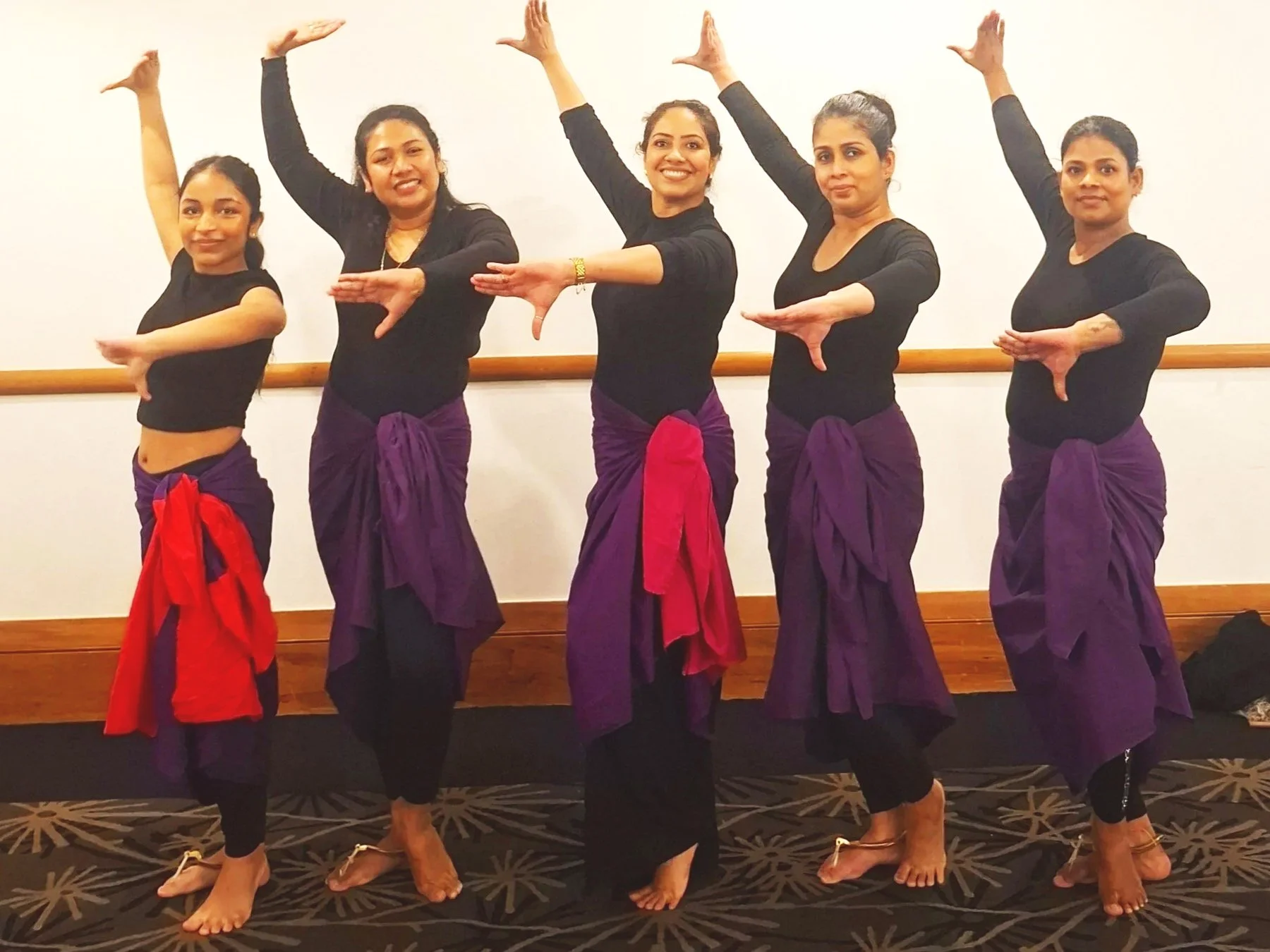
Rhythms of Ceylon
Sri Lankan traditional dancing is a vibrant art form that blends rhythm, storytelling, and graceful movement. It features powerful drumming patterns and expressive gestures that reflect the island’s cultural heritage. Dancers often wear the Silambu, a traditional hollow brass anklet filled with beads or small metal balls, that produce a ringing sound when the wearer moves or dances. The name comes from the Tamil verb silambal, which means “to make sound.”
Before the body learns to fly, the feet must learn to listen. Silambu is that listening.
Silambu awakens rhythmic consciousness, ensuring that every step lands with clarity, balance, and purpose.
Unlike ornamentation, Silambu is a teacher.
It corrects excess.
It reveals imprecision.
It transforms movement into measured poetry.
These dances, whether Kandyan, Low Country, or Sabaragamuwa styles, celebrate spirituality, history, and community through movement and music.
Vethara Abeykoom, Sachini Kandamudali, Ashanthi Muthugala, Thilanka Tirinadoowa, Achini Wickramasinghage
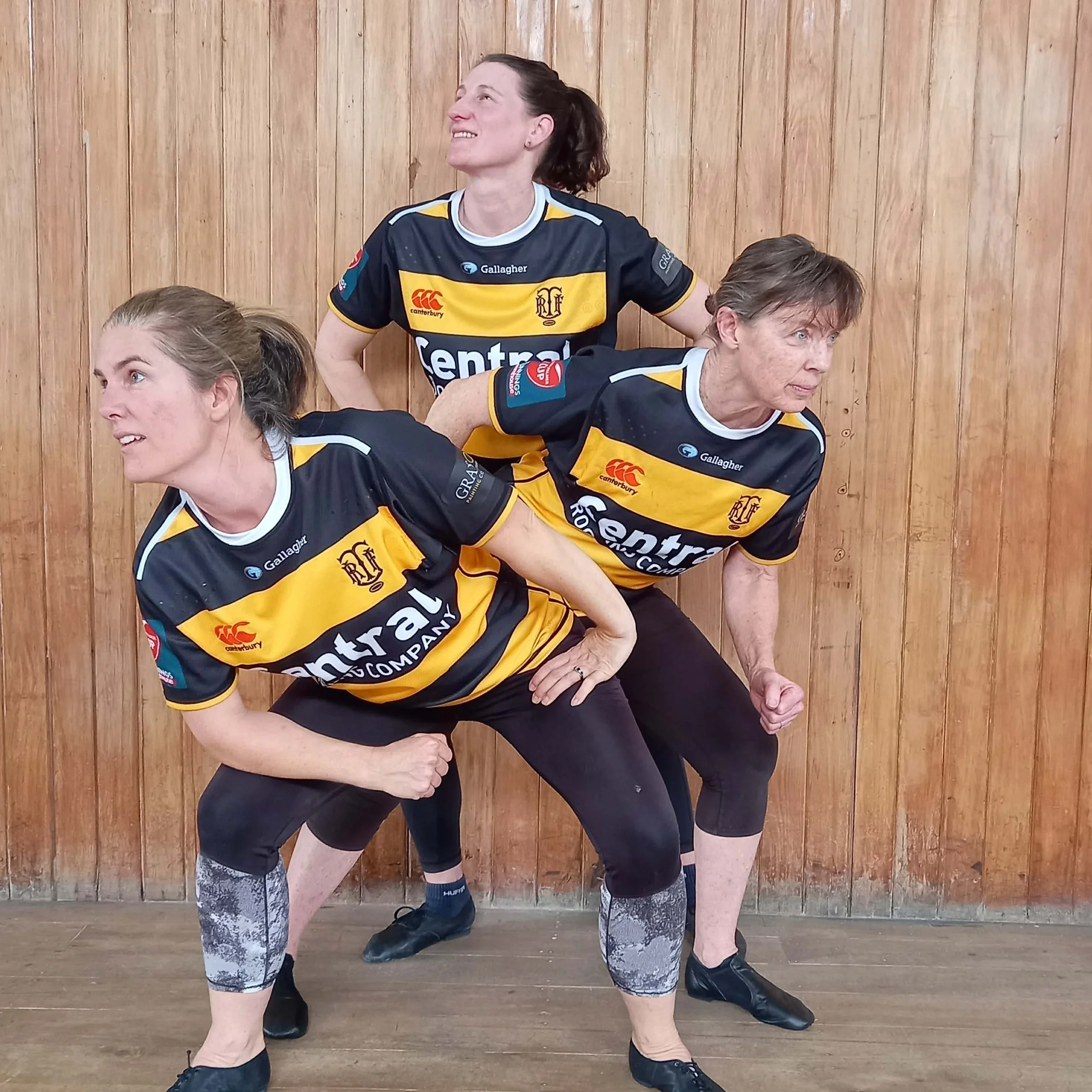
Val Deakin Dance Theatre
The matador tap dance Olé is done to a famous pasodoble song, a fast-paced military march style used for bull fights. Amparita Roca was composed in 1925 by Spanish musician, bandleader, and composer Jaume Teixidor, named after one of his young piano students. It was first performed in 1925 in the El Siglo theatre in Carlet, Valencia, and is one of the better known pieces of Spanish music around the world.
Kick Off is a Kiwi character sketch from Val Deakin’s Edwardian era themed ballet “Flashback.” Originally danced by men, this piece has been modernized to portray female rugby players.
Catherine Donlon, Donna Kelly, Laura Sommerville, Roseanne Taylor, Lynda West
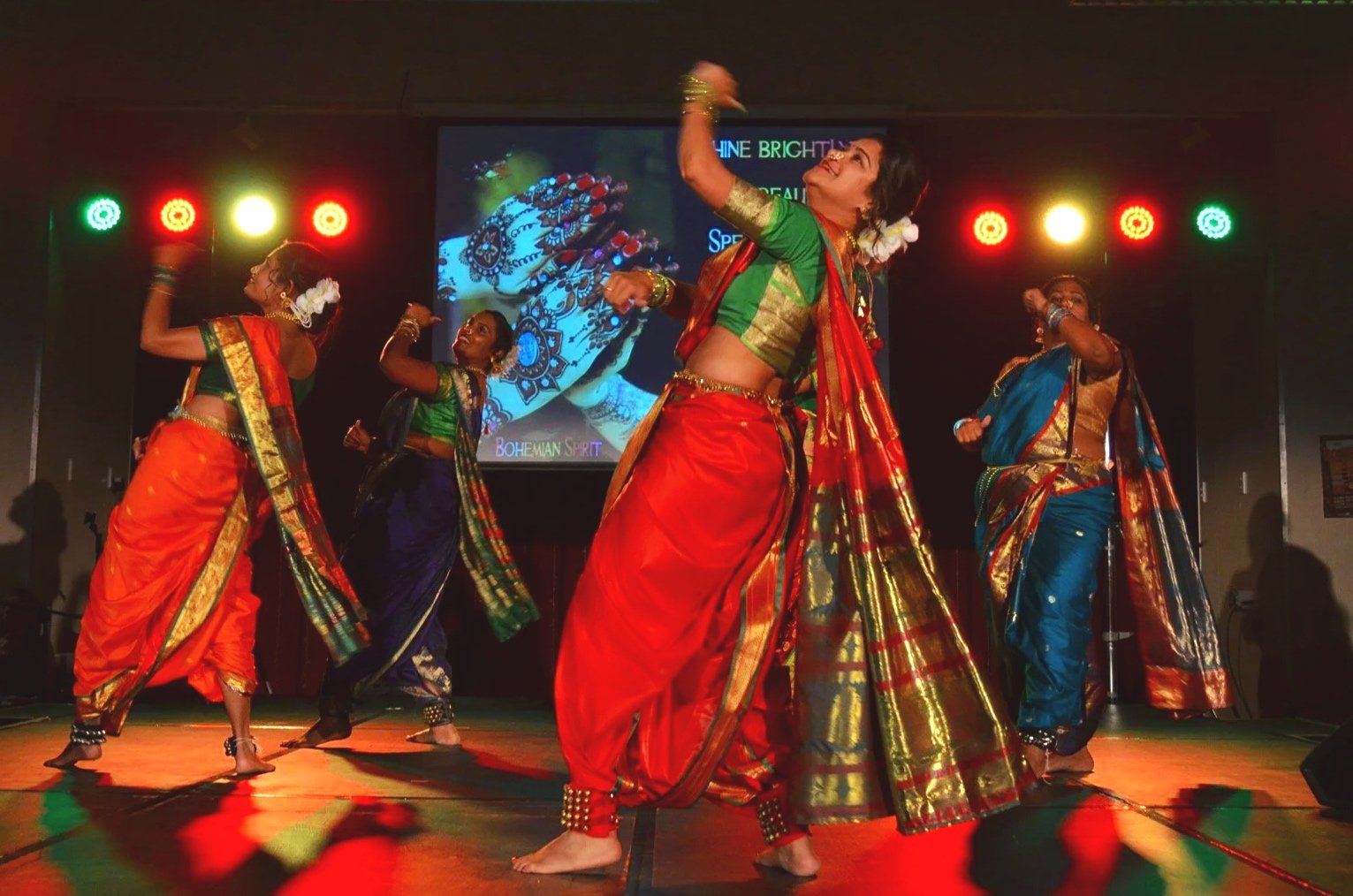
Bollywood Divas
Ghungroo dance - Ghungroos, or ankle bells, are a traditional and essential part of Bharatanatyam and other classical Indian dances. They are worn to accentuate the rhythmic footwork of dancers, and to help them stay in time with the music. They are considered sacred by Indian dancers, who often worship them before putting them on, by touching them to their heads as a sign of respect. Bharatanatyam originated in the Tanjore district of Tamil Nadu and is considered the mother of many other classical Indian dance forms. Ghungroos are also used in other classical Indian dances, such as Lavani, Kathak, Kuchipudi, and Odissi.
Lezim dance is a traditional folk dance from the state of Maharashtra, India, known for its strong martial roots, energetic physical drills, and is name after a small, handheld jingling instrument used as a prop during the dance. It was historically used as physical training exercise for warriors. Showcasing valour, discipline and unity, it is performed during the festival of Ganesh Chaturthi at village festivals, religious processions, and cultural events.
Rohini Gayakwad, Bharti Joshi, Deepti Khanolkar, Neha Lokare, BhagyaShree Patil, Priyanka Paul, Ankita Redkar
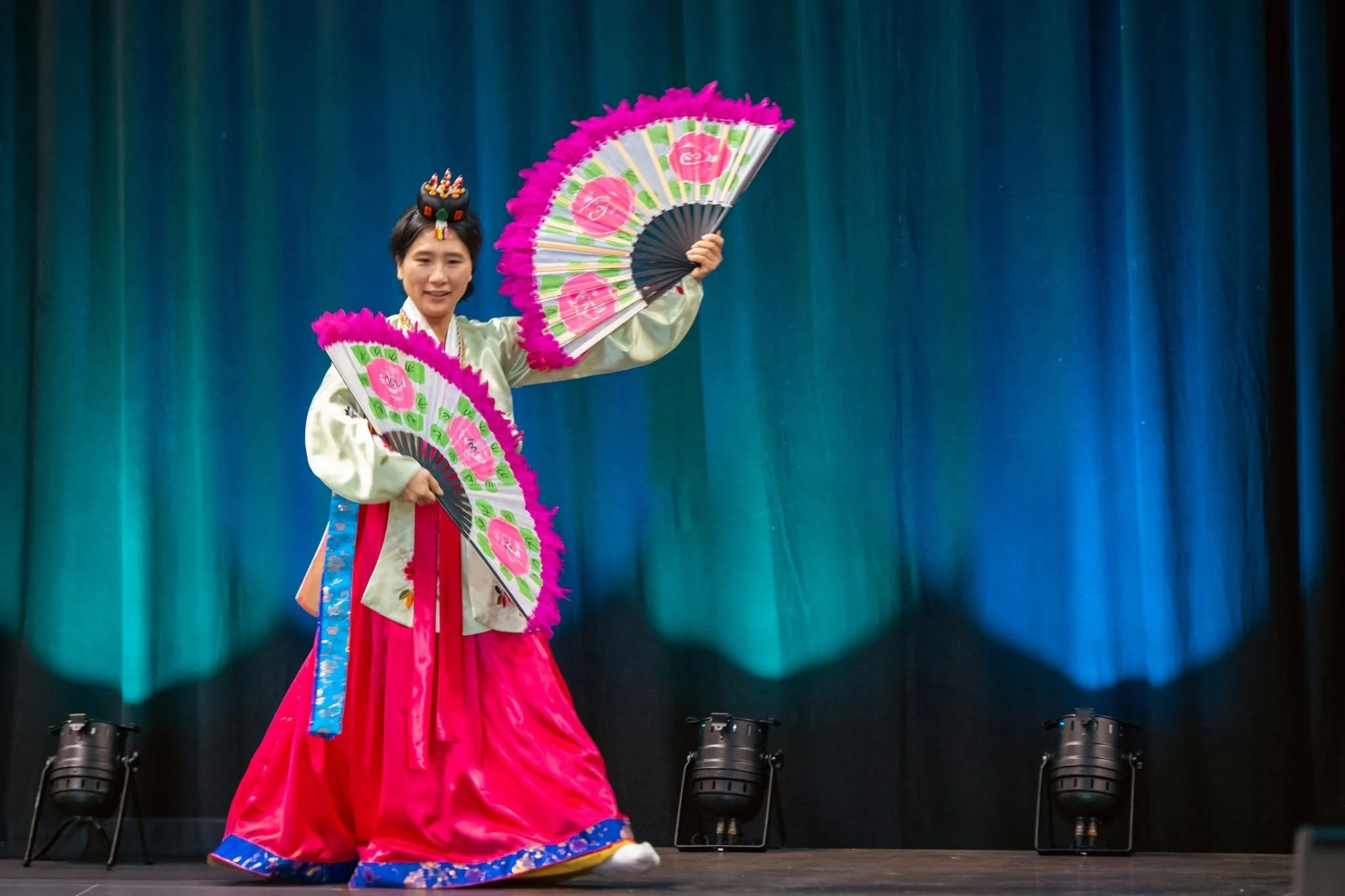
Minkyung Song
Buchaechum (Korean Fan Dance) is a brilliant mid-20th-century fusion of sacred ritual and modern choreography. The dance originated from ancient Korean shamanic rituals, where shamans utilized fans painted with deities to invite fortune and dispel negative energy. Kim Baek-bong refined these sacred movements into a structured stage art, first debuting Buchaechum in 1954 as a solo performance to highlight individual grace. The fans featured are adorned with exquisite, hand-painted Korean blossoms—the elegant peony and the sacred hibiscus (Mugunghwa). In Korean heritage, these floral patterns symbolize national prosperity, profound joy, and the eternal vitality of nature. As the fans open and close, they mirror the cosmic rhythm of the universe: blooming, fading, and renewing in a continuous cycle of life. The heartbeat of the piece, is the traditional hourglass drum the Janggu which dictates the dramatic shifts in tempo. The Melody is played by a traditional ensemble (Samhyeon Yukgak), featuring the piercing cry of the Piri (bamboo oboe) and the singing tones of the Haegeum (two-stringed fiddle). The arrangement begins with a slow, meditative tempo that mimics a bud quietly opening, before accelerating into a joyful, fast-paced celebration of life, inviting the audience into a shared state of Heung (spontaneous joy).
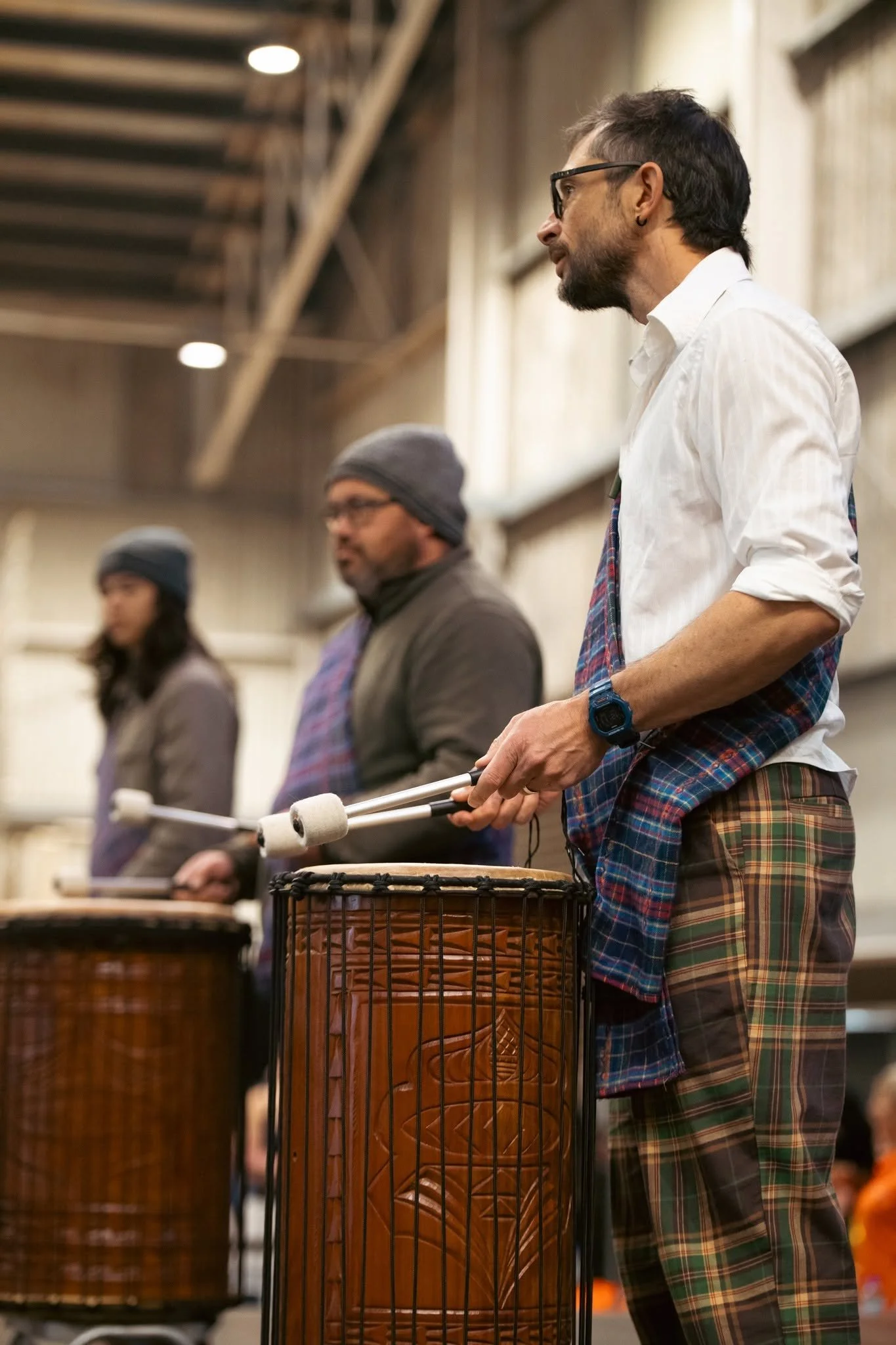
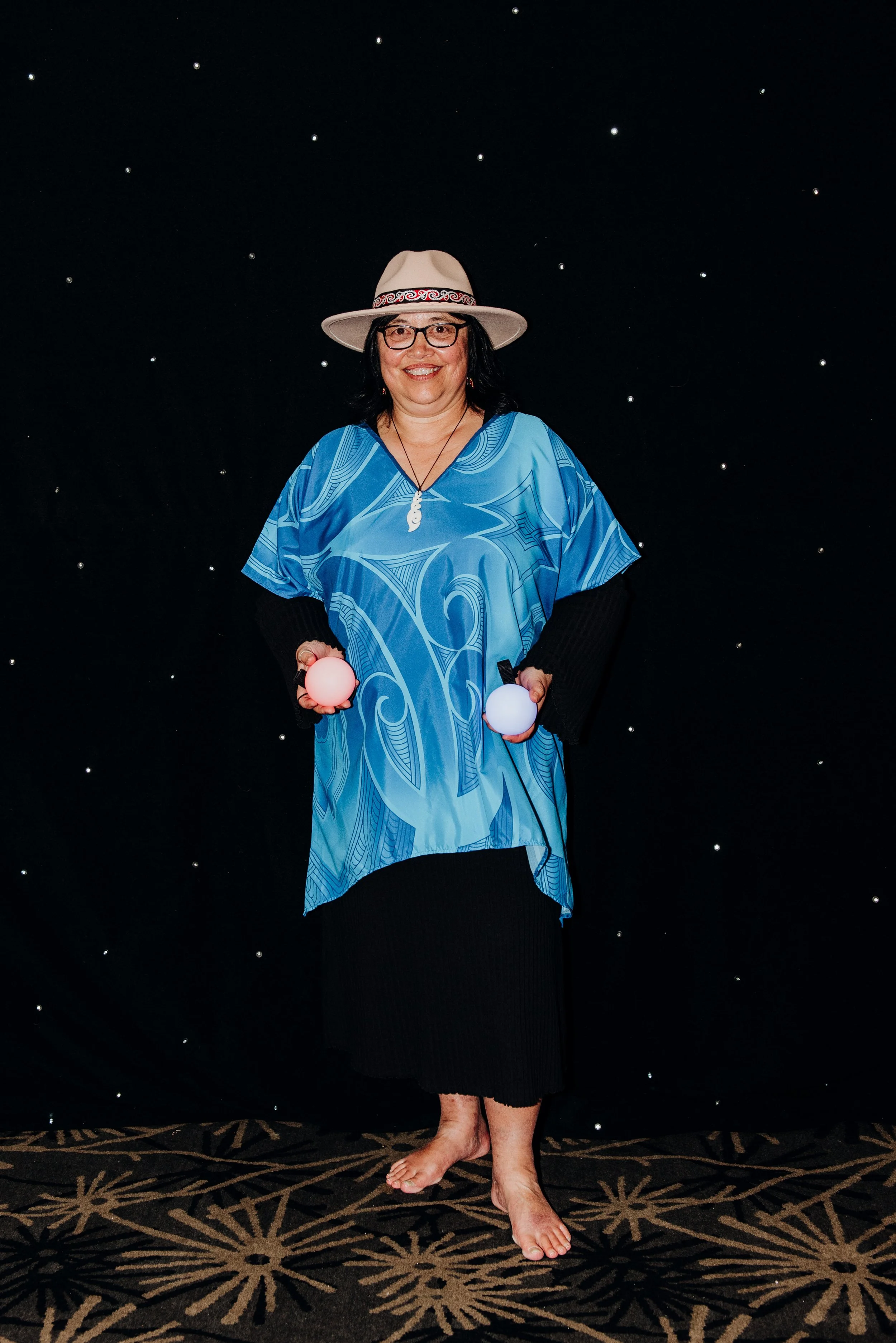
AFINCA and Poi dancers collaboration
Tẽnei taku poi is a traditional poi item featured in the kapa haka repertoire taught at Arrowtown School, telling the story and journey of the poi across Aotearoa. The poi as a percussion instrument provides a rhythmic beat when in contact with different parts of the body.
The song shares the history and ancestral connections of the poi, linking back to the atua wahine, Hine-titama. Featuring two taonga puoro: tumutumu and porotiti connecting with the wellbeing of the environment and people. Beats are provided by natural materials contacting with each other and the vibrations made by movement. Holding the stones in a cupped palm alters the pitch, and the sounds made mimic water, cicadas and other environmental taonga.
Historically the rhythm for chants was set by tumutumu. The tapping sound helped carve words and teachings into the listeners memories.
Porotiti are small humming discs with a looped cord, which are spun to create a pulsing whirr as they wind and unwind. The sound vibration, together with the player's finger movements, assist with flexibility in finger joints and relief from arthritis joint pain. Tohunga use them over congested chests to clear mucus and infants’ sinuses. When played over the faces and chests of people or the stomachs of pregnant women, the vibration has balancing and cleansing effects.
The porotiti is associated with Tāwhirimātea, and the word means to revolve, spin, or rotate. Porotiti also have sacred uses as accompaniments to karakia (prayers).
We’re Still Here is an Indigenous hip-hop anthem of survival, memory, and unbroken lineage. It is a raw, defiant fusion of First Nations hip-hop, tribal chanting, and atmospheric flute that carries generations of stories in every line.
This composition honours the children, the mothers, the water protectors, the ones who walked through frost and fire so we could stand here today - unbroken, unquiet, unmistakably alive. From the cracked wagon trails to today’s city streets, this song is a reminder and a declaration: We do not vanish. We rise. We remember. We continue. We’re still here.
Every verse carries artifacts—beads, stones, breath, drumbeats—woven with the reality of erased histories, broken treaties, stolen lands, and the resilience that survived them all. This is not a museum piece. This is a heartbeat. A reclaiming. A reminder that the earth remembers every step we keep.
Featured Lyrics:
Dust don’t bury us—it polishes our names.
You tried to drown our drum in silence deep, but the earth remembers.
We are all related. We are still living.
We’re still here.
Composed by Sugar Shane Webster.
AFINCA musicians: Nathaniel Gordon and Joe Taylor
Poi dancers: Keri Elvin and Sonya Taylor
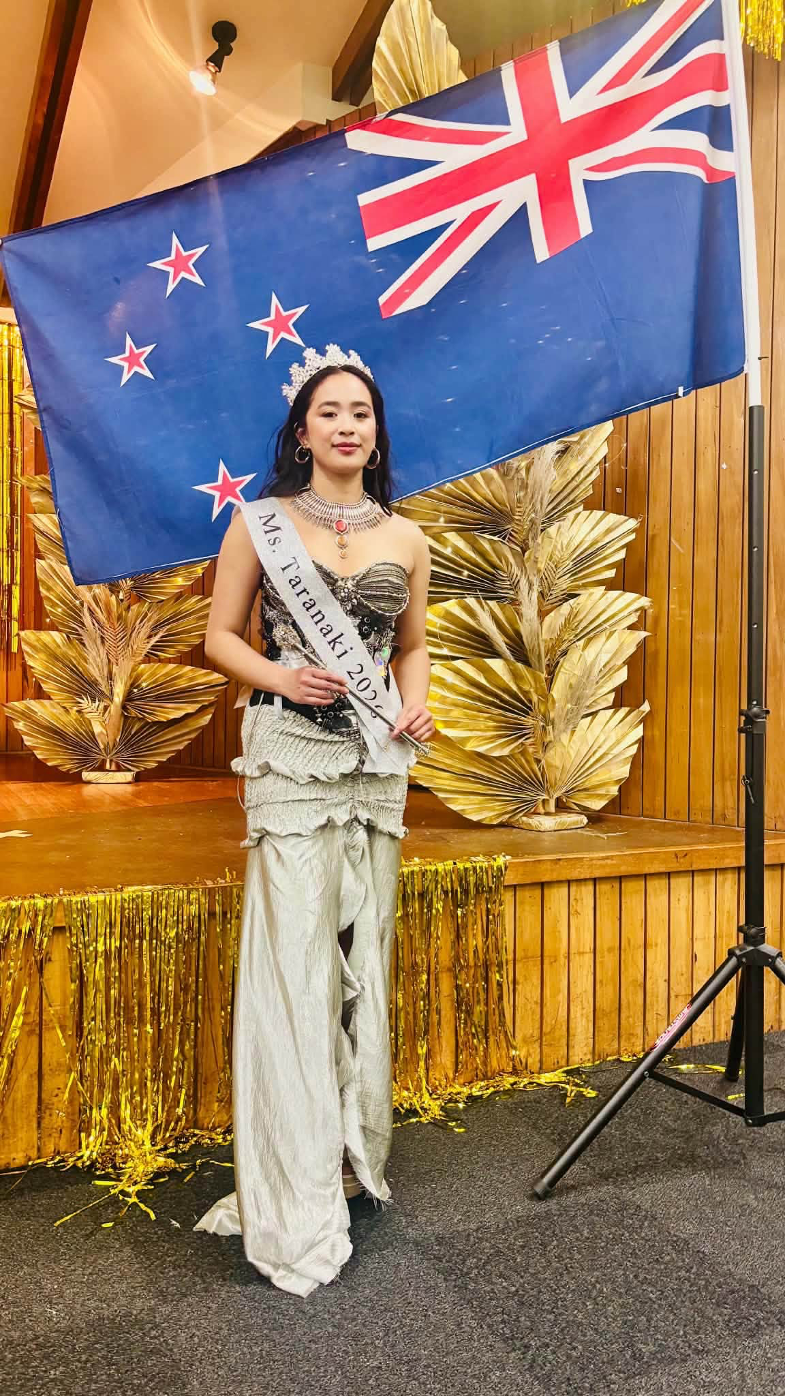
Ethnic models and instruments
The ladies have chosen to model their traditional costumes - Korean, Filipino and Indian, followed by a demonstration of some unique ethnic instruments from PAC’s collection: the chimta (India), the monkey stick (Britain/Australia), the shekere (West Africa), the guiro (South America), the kokoriko (Japan), the cabassa (Latin America), and the thunder tube (North America).
Aprilee Batog, Maria Escarlan, Cora Fadlen, Grace Guerrero, Kate Lucio, BhagyaShree Patil, Minkyung Song
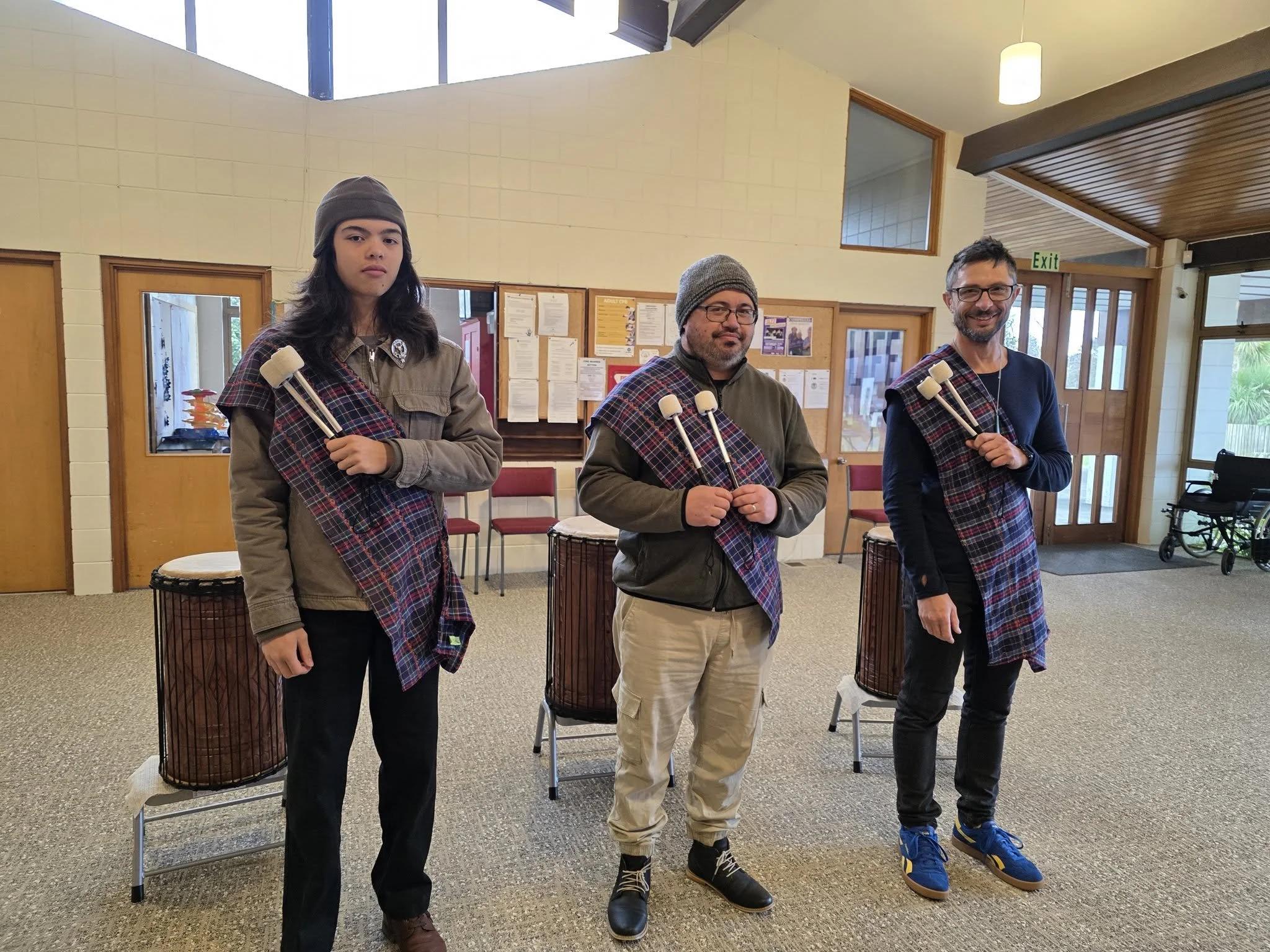
AFINCA
Ya Bassa is a Scottish slang phrase, and a punchy tribal drum and bagpipe song title by the band Clanadonia. This band provides the authentic sound of Scotland, entertaining crowds in the streets of Glasgow through to international festivals. They have also played sound tracks for movies, radio and TV. Their high energy blend of tribal rhythms, bagpipes with tartan clad performers is well known in Scotland.
Nathaniel Gordon, Joe Taylor

Crescendo
O Sole Mio is the title of a famous 1898 Neapolitan love song, written in the regional dialect of Naples, Italy. The song's lyrics describe the joy of a beautiful, sunny day and express that the brightest, most beautiful sun of all is the radiant face of the singer's beloved. The melody is one of the most recognizable pieces of music in the world, and has been covered by countless artists, including operatic tenors like Luciano Pavarotti, and adapted into English by Elvis Presley as the hit song It's Now or Never.
"Bésame Mucho" (Kiss Me a Lot) is the iconic 1940 Mexican bolero written by Consuelo Velázquez. It became one of the most famous and widely recorded Latin standards of the 20th century. In 1999, it was officially recognized as the most-covered Spanish language song of all time. The song has been performed by countless legends, from opera icons like Plácido Domingo to The Beatles.
Flora Abdulina, Lyly King, Albert Klin
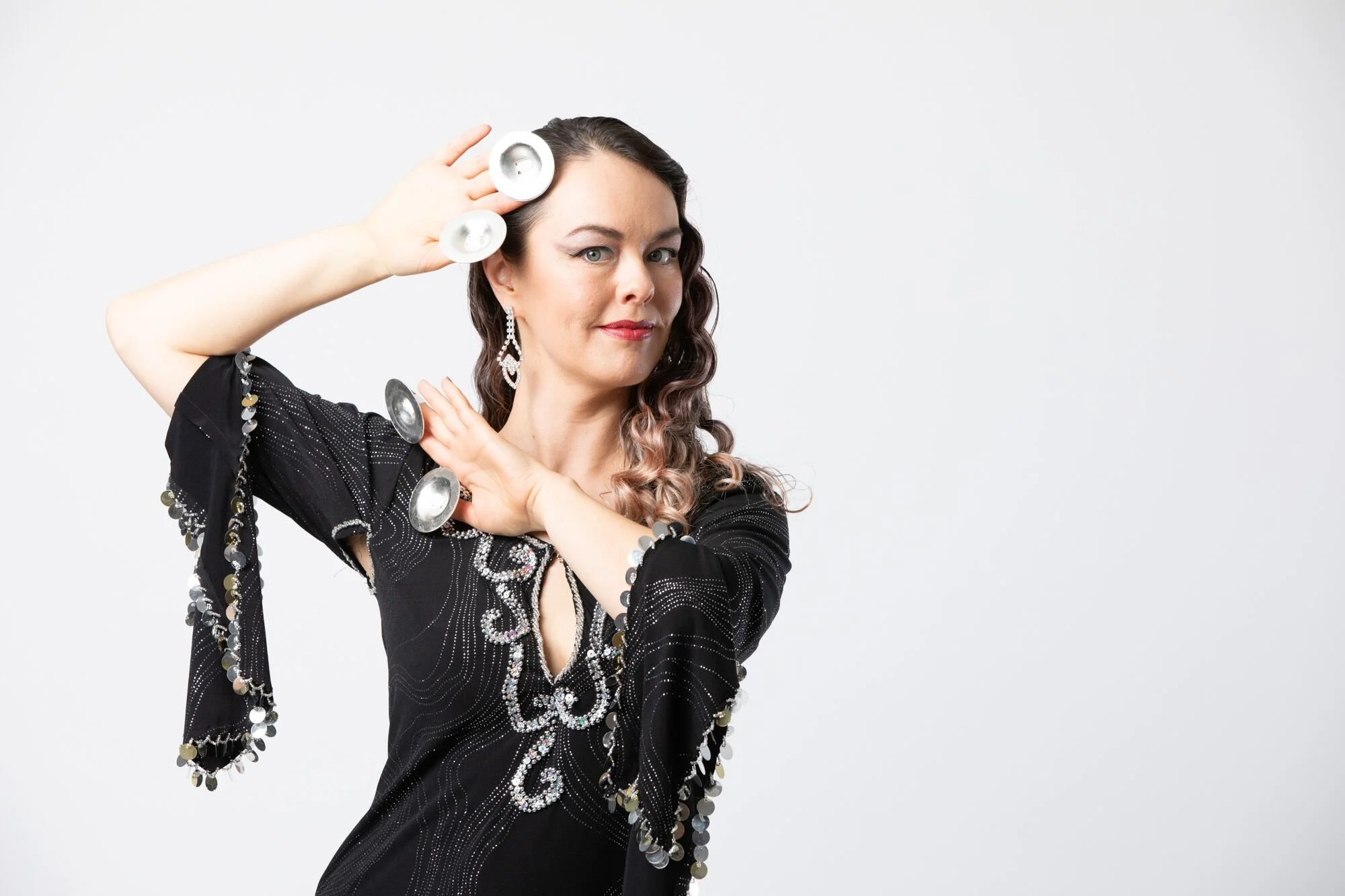
Juniper and the Gems
Ghawazee dance - Finger cymbals have existed since antiquity. Called sagat in Arabic, they are named for their dome shape. The costumes, movements, and cymbal patterns are in the style of ghawazee, folk dancers from Upper Egypt. This music is created with a rebaba (spike fiddle), one of the earliest known string instruments, as well as a tabla drum and hand clapping. Percussive stomping to the fellahi rhythm is a hallmark of the style. Although some parts of this dance are choreographed for stage, much of the piece is improvised, to preserve the character of traditional ghawazee performances.
Juniper Nichols, Beth Paterson, Talia Pryce, Paula Robertson